Notes
Blog
16 Nov 2026
 The ridge we almost sent a crew to
A field note on a ridgeline that looked promising on the contour map until a slope and obstacle check caught what the 1:24,000 sheet couldn't show.
16 Nov 2026
 What is an obstacle height map, and why it can rule out a turbine position
How obstacle height maps catch tree lines, rooftops, and towers that violate setback rules before a crew ever drives out to a candidate ridge.
9 Nov 2026
 Aspect vs slope: which terrain metric actually moves your shear estimate
Slope and aspect both touch wind shear, but they move the estimate in different ways. Here's how to weigh each before you place a mast.
9 Nov 2026
What is RIX, and why it flags an unreliable wind flow modelRIX measures terrain ruggedness around a candidate site. Here's what it means, how WAsP uses it, and why a high RIX delta should worry you.
2 Nov 2026
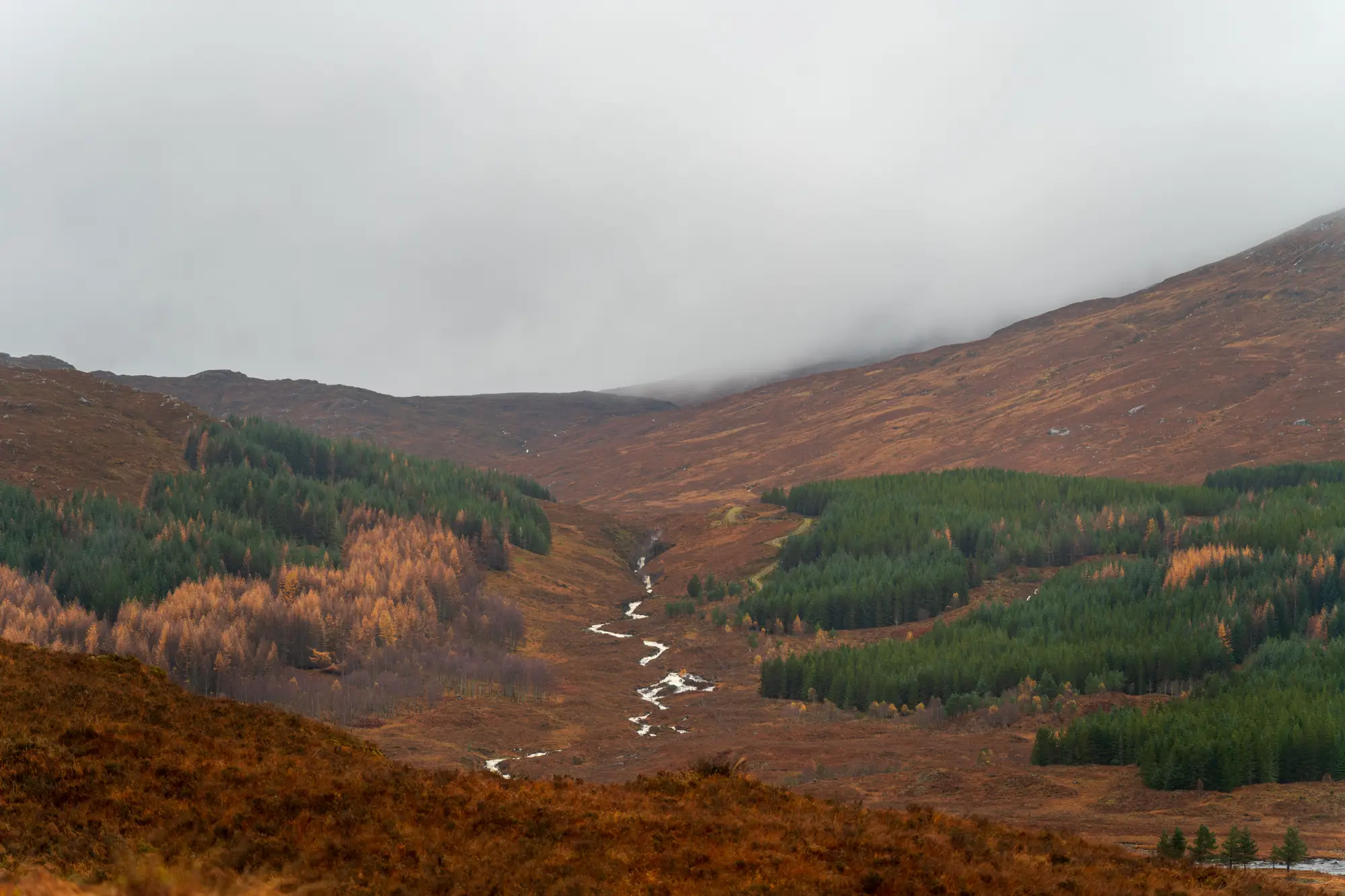 Davenport roughness classification: what it is and why siting teams still use it
A plain explainer on the Davenport-Wieringa roughness classes, how roughness length feeds wind shear models, and where it falls short before a met mast goes up.
2 Nov 2026
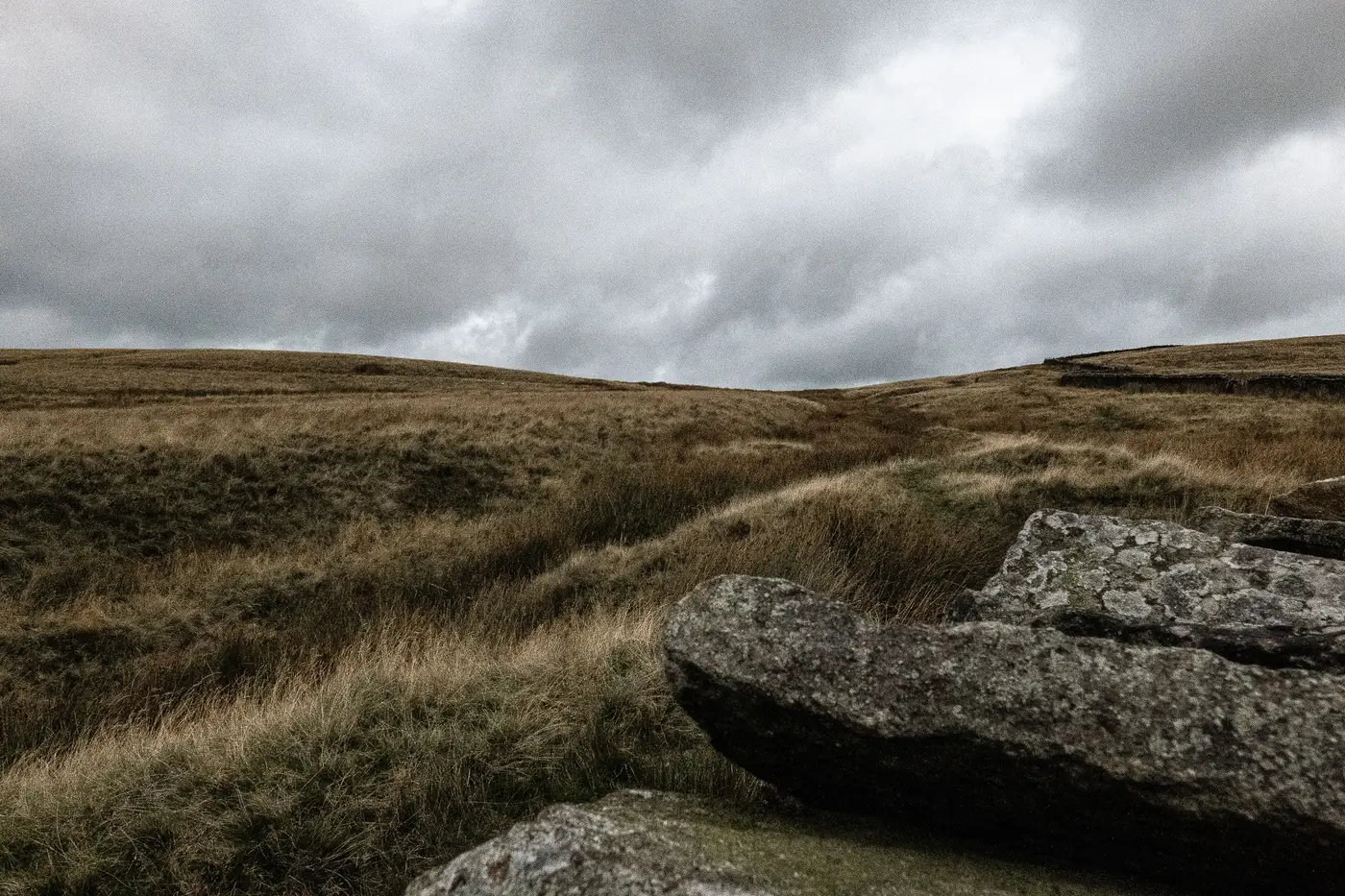 Why fewer ridgelines get walked before the mast goes up
A field-notes look at why siting teams are sending fewer crews to walk marginal ridgelines, and screening terrain from a desk instead.
26 Oct 2026
 Escarpment vs ridge: why wind flow speeds up differently
Why escarpments and ridges speed up wind flow differently, and how flow separation and turbulence intensity decide where a met mast actually belongs.
26 Oct 2026
 Displacement height and why it shifts your wind shear profile
Zero-plane displacement moves the reference point your shear exponent gets measured from. Here's what that means before you site a mast on a forested ridge.
13 Oct 2026
What Slope Triggers CFD Over a Linear Wind Flow ModelThe 30% slope threshold that separates WAsP's linear flow model from sites that need CFD, and what else drives that call in complex terrain.
8 Oct 2026
How many met masts does a complex-terrain project actually needA field guide to sizing met mast count and spacing on ridge and complex-terrain wind sites, before crews go out.
8 Oct 2026
How to classify terrain complexity before micrositingA working method for sorting simple from complex terrain under IEC 61400-12-1 and RIX, before you commit a met mast to a ridge.
8 Oct 2026
Stereo satellite imagery vs airborne lidar for terrain roughness mappingHow stereo VHR imagery and airborne lidar differ for terrain roughness and obstacle height, and when each one earns a spot in your siting workflow.
8 Oct 2026
Surface roughness length for wind resource screeningA plain-language walkthrough of z0, roughness classes, and the shear exponent for engineers screening ridgelines before a met mast goes up.